
Feasibility Report on Wheat Flour Production in Nigeria
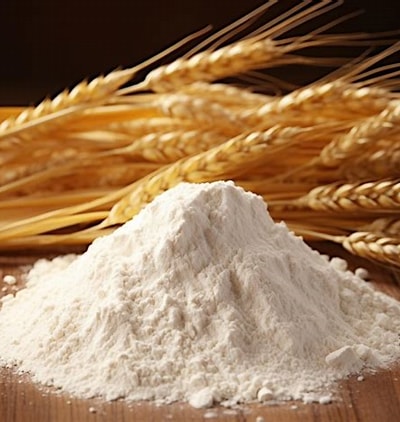
Wheat flour production is a highly viable agro-processing investment opportunity in Nigeria due to the country’s growing population, increasing consumption of wheat-based foods, and heavy dependence on imported wheat. Wheat flour is a key raw material used in the production of bread, noodles, pasta, biscuits, pastries, and other processed food products widely consumed across the country. With Nigeria’s population exceeding 200 million people and rapid urbanization driving demand for convenient food products, the wheat flour market continues to expand steadily.
Wheat flour is a finely milled powder obtained from wheat grains and is primarily used in baking and food processing industries. It is the major ingredient in bread, cakes, biscuits, noodles, pasta, and pastries. Flour mills typically process imported or locally produced wheat through cleaning, conditioning, milling, and packaging stages to produce different grades of flour for industrial, commercial, and household use.
There are several types of wheat flour produced depending on the end use. These include bread flour (high gluten content for bread making), all-purpose flour, pastry flour, cake flour, and whole wheat flour. In Nigeria, bread flour accounts for the largest share of consumption because bread is one of the most popular staple foods among households.
Nigeria is one of the largest consumers of wheat in Africa, with annual consumption estimated between 5 and 6 million metric tonnes. However, local production contributes only a very small fraction of this demand. The country imports over 5 million metric tonnes of wheat annually, costing more than $2 billion each year to bridge the supply gap.
Demand for wheat flour is driven primarily by bakeries, noodle manufacturers, restaurants, and household consumption. Approximately 70% of wheat flour in Nigeria is used for bread production, while the remainder is used for cakes, biscuits, and pastries.
Nigeria also spends billions of naira importing wheat annually. For example, the country recorded about ₦970 billion worth of wheat imports within a 12-month period, highlighting the huge market potential for local wheat flour processing and value addition.
With population growth, urbanization, and changing food preferences, demand for wheat-based foods continues to rise, making wheat flour production a strategic investment in Nigeria’s food processing sector.
The primary raw material required for wheat flour production is wheat grain. Wheat cultivation in Nigeria is mainly concentrated in northern states such as Kano, Jigawa, Kebbi, Kaduna, Katsina, Sokoto, Bauchi, and Gombe. However, local production remains low due to climatic challenges, insecurity in farming areas, and limited irrigation infrastructure.
Current domestic production is estimated at less than 400,000 metric tonnes annually, far below national consumption levels. As a result, flour millers rely heavily on imported wheat from countries such as Canada, the United States, Argentina, and several European nations.
Despite this challenge, government initiatives aimed at increasing wheat production—such as agricultural financing programs and farmer subsidies—are expected to gradually improve domestic supply.
Nigeria’s wheat flour milling industry is dominated by large-scale processors and integrated food companies. Major flour milling companies supply flour to bakeries, food manufacturers, wholesalers, and retailers nationwide. The industry also supports thousands of small and medium-scale enterprises including bakeries, pastry producers, and noodle manufacturers.
Small and medium flour mills also operate in many parts of the country, especially in major commercial cities such as Lagos, Kano, and Abuja, supplying local bakeries and food processors.
Despite its strong market potential, wheat flour production in Nigeria faces several challenges. One major constraint is the heavy reliance on imported wheat due to limited domestic production. Foreign exchange fluctuations and global supply disruptions can significantly affect the cost of wheat imports.
Other challenges include high energy costs, inadequate infrastructure, insecurity in agricultural regions, and fluctuations in wheat prices in the international market. Additionally, local wheat yields remain low due to limited mechanization, poor seed varieties, and inadequate irrigation facilities.
The wheat flour industry in Nigeria presents significant investment opportunities due to the persistent demand for flour-based food products. Rising urbanization, increasing fast-food consumption, and expansion of bakery and noodle industries continue to drive market growth.
Government policies aimed at promoting local agricultural production and reducing food imports are also expected to support investment in the wheat value chain. Furthermore, opportunities exist for backward integration into wheat farming, flour milling, and value-added food processing.
The feasibility of wheat flour production in Nigeria is supported by strong market demand, large consumption levels, and significant supply gaps in the wheat value chain. Although the industry faces challenges related to raw material supply and infrastructure, the long-term outlook remains positive due to population growth and increasing demand for processed foods. Investors who establish efficient flour milling operations and secure reliable wheat supply chains stand to benefit significantly from Nigeria’s expanding wheat flour market.
Table of Contents
Table of Contents: EXECUTIVE SUMMARY 1.0 Business Overview 1.1 Description of the Business 1.2 Vision and Mission Statement 1.3 Critical Success Factor of the Business 1.4Current Status of Business 1.5 Description of the Business Industry 1.6 Contribution to Local and National Economy 2. Marketing Plan 2.1 Description of the Product 2.2 Product Packaging and Delivery 2.3 The Opportunity 2.4 Pricing Strategy 2.5 Target Market 2.6 Distribution and Delivery Strategy 2.7 Promotional Strategy 2.8 Competition 3. Production Plan 3.1 Description of the Location 3.2 Raw Materials 3.3 Production Equipment 3.4 Production Process 3.5 Production Cost 3.6 Stock Control Process 3.7 Pre-Operating Activities and Expenses 3.7.1 Operating Activities and Expenses 3.8 Project Implementation Schedule 4.0 Organizational and Management Plan 4.1 Ownership of the Business 4.2 Profile of the Promoters 4.3 Key Management Staff 4.3.2 Management Support Units 4.4 Details of Salary Schedule 5. Financial Plan 5.1 Financial Assumption 5.2 Start Up Capital Estimation 5.3 Source of Capital 5.4 Security of Loan 5.5 Loan Repayment Plan 5.6 Profit and Loss Analysis 5.7 Cash flow Analysis 5.8 Viability Analysis 6.0 Business Risks, Mitigation Strategies and SWOT Analysis 6.1 Business Risks and Mitigation Strategies 6.2 SWOT Analysis
Project Specification:
Additional Info
Get this Report
Direct bank transfer
To order the report, Please do pay the sum of ₦1,850,000 into
Account Name : Foraminifera Market Research Ltd
Account Number : 274 20 569 37
Account Name : Foraminifera Market Research Ltd
Account Number : 101 76 603 95
Account Name : Foraminifera Ventures
Account Number : 011 66 066 32
Make your payment directly into our bank account. Please use your Order ID as the payment reference. Your order will not be shipped until the funds have cleared in our account.
Instructions
After payment call us on 01 -29 52 413 / 08033782777 or email us at foraminiferamarketresearch@yahoo.com with the payment details. After payment confirmation, the soft copy of the report would be sent to you within 24 hours.