Feasibility Report on Bread Production in Nigeria
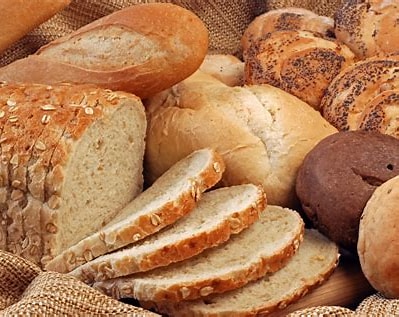
Bread production is a major segment of the food processing industry in Nigeria due to the country’s large population, urbanization, and growing demand for convenient food products. Bread is widely consumed across all income groups and is often eaten with tea, beans, eggs, or other meals. Because of its daily consumption pattern, bread production remains one of the most viable agro-processing ventures in Nigeria.
Bread is a staple food made primarily from wheat flour, yeast, sugar, salt, water, and fats such as margarine or butter. The dough is mixed, kneaded, fermented, shaped, and baked to produce loaves of bread. In Nigeria, popular varieties include white sliced bread, whole wheat bread, butter bread, sweet bread, and the well-known Agege bread. Bread is valued for its convenience, affordability, and ability to provide quick energy.
The demand for bread in Nigeria is very high due to population growth and urban lifestyles that favor ready-to-eat meals. Bread is consumed daily by millions of Nigerians, making it one of the most widely eaten processed foods in the country. In Lagos alone, over three million loaves of unpackaged bread are reportedly sold daily, illustrating the strong consumer demand for bakery products.
Nigeria also has one of the largest bakery industries in Africa. The bread and bakery market is estimated to generate billions of dollars annually, with projections suggesting that the bread market could reach about $18.81 billion by 2025 with continued growth in demand.
The sector is largely dominated by small and medium-scale bakeries distributed across cities and towns, making it a highly fragmented but competitive market.
The main raw materials for bread production include wheat flour, sugar, yeast, salt, margarine or butter, and water. Wheat flour is the most important input and accounts for the largest share of production costs. However, Nigeria relies heavily on imported wheat, producing less than 1% of its wheat requirement locally, which exposes the industry to foreign exchange fluctuations and rising import costs.
Other requirements include bakery equipment such as mixers, ovens, proofers, slicing machines, and packaging materials.
Bread production in Nigeria is regulated by several government agencies responsible for food safety and quality control. The National Agency for Food and Drug Administration and Control (NAFDAC) oversees product registration, quality standards, and food safety compliance in the bakery industry. Industry associations such as the Premium Breadmakers Association of Nigeria also promote best practices and standards among bakers.
Despite its strong demand, the bread production industry faces several challenges. These include the high cost of wheat flour, rising prices of baking ingredients, foreign exchange volatility, high energy costs, and transportation expenses. Inflation has also caused significant increases in bread prices, affecting affordability for consumers and profit margins for bakery operators.
The bread production industry in Nigeria still offers significant investment opportunities due to the country’s large population and steady demand for affordable food products. Opportunities exist in specialized bread varieties such as whole grain, fortified bread, and healthy baked products. Additionally, investment in modern baking technology, efficient distribution networks, and local wheat development programs could improve profitability and sustainability.
Bread production remains a profitable and sustainable agro-processing venture in Nigeria due to strong consumer demand and the essential role bread plays in daily diets. Although challenges such as high input costs and wheat import dependence exist, the industry continues to grow and presents attractive opportunities for investors willing to adopt efficient production and distribution strategies.
Table of Contents
Table of Contents: EXECUTIVE SUMMARY 1.0 Business Overview 1.1 Description of the Business 1.2 Vision and Mission Statement 1.3 Critical Success Factor of the Business 1.4Current Status of Business 1.5 Description of the Business Industry 1.6 Contribution to Local and National Economy 2. Marketing Plan 2.1 Description of the Product 2.2 Product Packaging and Delivery 2.3 The Opportunity 2.4 Pricing Strategy 2.5 Target Market 2.6 Distribution and Delivery Strategy 2.7 Promotional Strategy 2.8 Competition 3. Production Plan 3.1 Description of the Location 3.2 Raw Materials 3.3 Production Equipment 3.4 Production Process 3.5 Production Cost 3.6 Stock Control Process 3.7 Pre-Operating Activities and Expenses 3.7.1 Operating Activities and Expenses 3.8 Project Implementation Schedule 4.0 Organizational and Management Plan 4.1 Ownership of the Business 4.2 Profile of the Promoters 4.3 Key Management Staff 4.3.2 Management Support Units 4.4 Details of Salary Schedule 5. Financial Plan 5.1 Financial Assumption 5.2 Start Up Capital Estimation 5.3 Source of Capital 5.4 Security of Loan 5.5 Loan Repayment Plan 5.6 Profit and Loss Analysis 5.7 Cash flow Analysis 5.8 Viability Analysis 6.0 Business Risks, Mitigation Strategies and SWOT Analysis 6.1 Business Risks and Mitigation Strategies 6.2 SWOT Analysis
Project Specification:
Additional Info
Get this Report
Direct bank transfer
To order the report, Please do pay the sum of ₦100,000 into
Account Name : Foraminifera Market Research Ltd
Account Number : 274 20 569 37
Account Name : Foraminifera Market Research Ltd
Account Number : 101 76 603 95
Account Name : Foraminifera Ventures
Account Number : 011 66 066 32
Make your payment directly into our bank account. Please use your Order ID as the payment reference. Your order will not be shipped until the funds have cleared in our account.
Instructions
After payment call us on 01 -29 52 413 / 08033782777 or email us at foraminiferamarketresearch@yahoo.com with the payment details. After payment confirmation, the soft copy of the report would be sent to you within 24 hours.