Business Plan on Refined Groundnut Oil and Meal Production in Nigeria
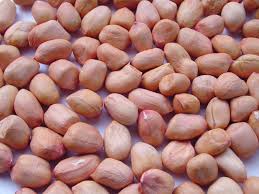
Groundnut (peanut) is one of the most important oilseed crops in Nigeria and across West Africa, valued for its high oil content, nutritional benefits, and wide industrial applications. Groundnut seeds typically contain 45–50% oil and 25–30% protein, making them an excellent raw material for both edible oil production and protein-rich animal feed. The oil extracted from groundnuts is widely used for cooking and food processing, while the residual cake or meal serves as a key ingredient in livestock and poultry feed formulations.
Nigeria has a long history of groundnut production, particularly in the northern region where the crop thrives under suitable climatic conditions. States such as Kano, Kaduna, Katsina, Jigawa, Bauchi, and Niger are major production hubs. Although the sector experienced a decline during the oil boom era, recent agricultural reforms and increasing demand for vegetable oil have revived interest in groundnut cultivation and processing. Current estimates indicate that Nigeria produces over 3 million metric tonnes of groundnuts annually, making it one of the largest producers in Africa.
Despite this strong production base, a significant proportion of groundnuts in Nigeria is still consumed raw or processed using traditional, small-scale methods. This limits value addition, reduces product quality, and restricts access to premium markets. The establishment of modern processing facilities for refined groundnut oil and meal presents a major opportunity to bridge this gap by producing high-quality, standardized products that meet both domestic and international standards.
Refined groundnut oil is produced through a series of processes including cleaning, shelling, crushing, oil extraction (mechanical pressing or solvent extraction), and refining. The refining stage involves neutralization, bleaching, and deodorization to remove impurities, free fatty acids, color pigments, and odors, resulting in a clear, stable, and odorless oil suitable for cooking and industrial use. The by-product of this process, groundnut meal or cake, is a high-protein feed ingredient widely used in poultry, livestock, and aquaculture industries.
The demand for refined vegetable oil in Nigeria is substantial and growing, driven by a population exceeding 220 million people, increasing urbanization, and rising consumption of processed foods. Nigeria’s edible oil market is estimated to be worth over US$3 billion annually, with a significant supply gap currently filled through imports. This creates a strong opportunity for locally produced refined groundnut oil to compete favorably in the market. At the same time, the demand for animal feed continues to rise due to the expansion of poultry and fish farming, further increasing the market for groundnut meal.
This feasibility report evaluates the establishment of a groundnut oil processing plant with an installed capacity of 3–5 tons of groundnut seeds per day. The plant is expected to operate at 70–80% capacity utilization in the initial years, running a single 8-hour production shift for about 300 working days annually. From each ton of groundnuts processed, an average oil yield of 400–450 kilograms can be obtained, with the remaining portion converted into groundnut meal.
The project offers multiple revenue streams through the sale of refined groundnut oil and groundnut meal, enhancing overall profitability and reducing operational risk. In addition, the relatively simple processing technology, availability of locally fabricated equipment, and access to raw materials make entry into the business feasible for investors.
From an economic perspective, the project contributes to value addition, import substitution, job creation, and rural development. It also supports Nigeria’s broader agenda of agricultural industrialization and diversification away from oil dependency.
The production of refined groundnut oil and meal in Nigeria is a highly viable and profitable investment opportunity. With abundant raw materials, strong and growing market demand, and opportunities for both local sales and regional export, the project is well-positioned to deliver sustainable returns while contributing meaningfully to the development of Nigeria’s agro-processing sector.
Table of Contents
EXECUTIVE SUMMARY 1.0 Business Overview 1.1 Description of the Business 1.2 Vision and Mission Statement 1.3 Business Objective 1.4 Value Proposition 1.5 Critical Success Factor of the Business 1.6 Current Status of Business 1.7 Description of the Business Industry 1.8 Contribution to Local and National Economy 2. Marketing Plan 2.1 Description of product 2.2 Product Packaging and delivery 2.3 The Opportunity 2.4 Pricing Strategy 2.5 Target Market 2.6 Distribution and Delivery Strategy 2.7 Promotional Strategy 2.8 Competition 3. Production Plan 3.1 Description of the Location 3.2 Raw Materials 3.3 Production Equipment 3.4 Production Process 3.5 Production Cost 3.6 Stock Control Process 3.7 Pre-Operating activities and expenses 3.7.1 Operating Activities and Expenses 3.8 Project Implementation Schedule 4.0 Organizational and Management Plan 4.1 Ownership of the business 4.2 Profile of the promoters 4.3 Key Management Staff 4.3.2 Management Support Units 4.4 Details of salary schedule 5. Financial Plan 5.1 Financial Assumption 5.2 Start - up Capital Estimation 5.3 Source of Capital 5.4 Security of Loan 5.5 Loan Repayment Plan 5.6 Profit and Loss Statement 5.7 Cash flow Statement 5.8 Viability Analysis 6.0 Business Risk and Mitigation Factors 6.1 Business Risks 6.2 SWOT Analysis
Project Specification:
Additional Info
Get this Report
Direct bank transfer
To order the report, Please do pay the sum of ₦350,000 into
Account Name : Foraminifera Market Research Ltd
Account Number : 274 20 569 37
Account Name : Foraminifera Market Research Ltd
Account Number : 101 76 603 95
Account Name : Foraminifera Ventures
Account Number : 011 66 066 32
Make your payment directly into our bank account. Please use your Order ID as the payment reference. Your order will not be shipped until the funds have cleared in our account.
Instructions
After payment call us on 01 -29 52 413 / 08033782777 or email us at foraminiferamarketresearch@yahoo.com with the payment details. After payment confirmation, the soft copy of the report would be sent to you within 24 hours.