Business Plan on Dry Ginger Supply to Local Industries in Nigeria
Ginger (Zingiber officinale) is one of Nigeria’s most important spice crops, with annual production estimated between 500,000 and 800,000 metric tonnes, making the country one of the leading producers globally. The crop is cultivated mainly in Kaduna, Nasarawa, Benue, and Gombe States, where favorable agro-climatic conditions support large-scale production. While a significant portion of Nigerian ginger is exported, there is a growing and often under-served domestic industrial market for dry ginger, creating a strong opportunity for local supply businesses.
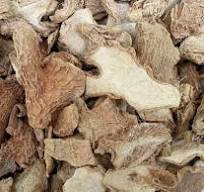
Dry ginger refers to processed ginger rhizomes that have been cleaned, dried, and sometimes split or ground to reduce moisture content and extend shelf life. The drying process, which brings moisture levels down to about 8–10 percent, enhances storage stability and makes the product suitable for industrial use. Dry ginger retains its pungency, aroma, and active compounds such as gingerol, which are essential for its applications across various industries. It is supplied in whole dried form, split pieces, or as powder depending on buyer requirements.
In Nigeria, the demand for dry ginger from local industries is significant and steadily increasing. The food and beverage industry uses ginger as a flavoring agent in products such as ginger drinks, teas, confectioneries, and baked goods. The pharmaceutical and nutraceutical industries utilize ginger for its medicinal properties, including its anti-inflammatory and digestive benefits. The cosmetics and personal care industry incorporates ginger extracts in the production of creams, soaps, and perfumes, while the processing sector uses it in spice blends and seasonings. These diverse applications ensure a stable and year-round demand for dry ginger within the domestic market.
The supply chain for dry ginger involves sourcing fresh ginger from farmers, followed by cleaning, drying, sorting, and packaging to meet industrial specifications. Quality is a critical factor, as industrial buyers require consistent moisture content, cleanliness, and absence of contaminants such as mold, stones, or pesticide residues. Suppliers who can maintain high standards and reliable delivery schedules are better positioned to secure long-term contracts with manufacturers.
The Nigerian industrial market for ginger is expanding alongside the growth of the food processing, pharmaceutical, and consumer goods sectors. With a population exceeding 220 million people and increasing demand for processed and packaged products, local industries are scaling up production and requiring larger volumes of raw materials such as ginger. At the same time, fluctuations in export volumes and global prices have encouraged some producers to focus on domestic supply, further strengthening the local market.
From a financial perspective, dry ginger supply to local industries is a profitable and relatively low-risk venture. The business requires moderate capital investment, primarily for procurement, drying, storage, and logistics. Value addition through proper drying, grading, and packaging significantly improves margins compared to selling fresh ginger. Unlike export-focused businesses, local supply operations face fewer regulatory hurdles and lower logistics costs, making them easier to establish and manage.
However, the business also requires effective supply chain management, including strong relationships with farmers to ensure consistent raw material supply, as well as efficient storage systems to prevent quality deterioration. Seasonal price fluctuations can affect profitability, making it important for suppliers to adopt strategies such as bulk purchasing during harvest periods and proper warehousing.
In addition to profitability, the business offers important economic and social benefits. It supports local farmers by providing a stable market for their produce, reduces post-harvest losses, and contributes to the growth of Nigeria’s agro-processing and manufacturing sectors. By strengthening linkages between agriculture and industry, the supply of dry ginger helps drive value addition and economic diversification.
The supply of dry ginger to local industries in Nigeria represents a viable and sustainable business opportunity. With strong and growing demand from multiple sectors, abundant local production, and relatively low entry barriers, the business offers attractive returns for investors. By focusing on quality, consistency, and efficient distribution, entrepreneurs can build a successful enterprise that meets the needs of Nigeria’s expanding industrial market while contributing to overall economic development.
Table of Contents
Table of Contents 1. Introduction 1.1 Executive Summary 1.2 Business Opportunity 1.3 Country Background and Industry Review 2. Technical Analysis 2.1 The Project 2.2 Product Description 2.3 Product Location and Distribution 2.4 Legal Considerations 3. Opportunity 3.1 Market Overview 3.2 Demand and Supply 3.3 Customer Profile 3.4 Primary Competition 4. Socio- Economic and SWOT Analysis of the Project 4.1.1 Generation of Employment 4.1.2 Source of Government Revenue 4.1.3 Foreign Exchange Generation 4.2 SWOT Analysis 5. Risk Identification and Mitigation Strategy 5.2 Critical Success Factor 6. Financial Analysis
Project Specification:
Additional Info
Get this Report
Direct bank transfer
To order the report, Please do pay the sum of ₦10,000 into
Account Name : Foraminifera Market Research Ltd
Account Number : 274 20 569 37
Account Name : Foraminifera Market Research Ltd
Account Number : 101 76 603 95
Account Name : Foraminifera Ventures
Account Number : 011 66 066 32
Make your payment directly into our bank account. Please use your Order ID as the payment reference. Your order will not be shipped until the funds have cleared in our account.
Instructions
After payment call us on 01 -29 52 413 / 08033782777 or email us at foraminiferamarketresearch@yahoo.com with the payment details. After payment confirmation, the soft copy of the report would be sent to you within 24 hours.