Business Plan on Carbonated Soft Drink Production in Nigeria
The carbonated soft drink production industry in Nigeria is one of the most vibrant and commercially significant sectors within the country’s food and beverage manufacturing industry. Carbonated soft drinks, commonly known as soft drinks or fizzy beverages, are consumed daily by millions of Nigerians across all age groups, income levels, and geographic regions. The market has continued to expand steadily due to rapid population growth, urbanization, rising consumer spending on convenience beverages, expanding retail infrastructure, and the increasing influence of modern lifestyles and entertainment culture.
Nigeria represents one of the largest soft drink markets in Africa, with annual consumption estimated in billions of liters. The industry is dominated by major multinational and indigenous beverage companies such as Coca-Cola Nigeria, Seven-Up Bottling Company, Rite Foods Limited, and Nigerian Bottling Company. Popular brands including Coca-Cola, Pepsi, Fanta, Sprite, Mirinda, 7Up, Bigi Cola, and RC Cola have established deep market penetration and strong consumer loyalty throughout the country.
Despite inflationary pressures, exchange rate instability, and rising production costs, demand for carbonated beverages remains resilient because soft drinks are deeply integrated into Nigerian social life, hospitality services, ceremonies, entertainment activities, schools, restaurants, and household consumption patterns. The industry also benefits from Nigeria’s tropical climate, which encourages high consumption of cold refreshing beverages throughout the year.
This feasibility report evaluates the technical, operational, financial, and commercial viability of establishing a carbonated soft drink production plant in Nigeria. The report examines the structure of the Nigerian beverage market, raw material availability, manufacturing processes, machinery requirements, regulatory obligations, operational considerations, financial projections, risk factors, and long-term investment prospects.
Carbonated soft drinks are non-alcoholic beverages that contain dissolved carbon dioxide gas under pressure, creating the characteristic fizz and effervescence associated with soft drinks. These beverages are typically sweetened and flavored using sugar, syrups, fruit concentrates, acids, preservatives, and food-grade additives. Carbonated beverages are consumed widely across Nigeria and are sold through supermarkets, wholesale outlets, restaurants, hotels, bars, kiosks, roadside vendors, event centers, schools, and fast-food establishments.
The Nigerian soft drink industry has evolved significantly over the past several decades. Increased urbanization, changing consumer lifestyles, aggressive marketing campaigns, technological improvements in beverage production, and the expansion of modern retail distribution systems have transformed the industry into one of the country’s largest fast-moving consumer goods sectors. The industry contributes substantially to employment generation, industrial development, packaging manufacturing, logistics operations, agriculture, and government tax revenues.
Carbonated soft drink manufacturing businesses can operate at various scales, ranging from small regional bottling facilities to large industrial beverage plants supplying products nationwide. The profitability and sustainability of the business depend on factors such as production efficiency, product quality, effective branding, pricing strategy, distribution reach, operational cost management, and market acceptance.
The global carbonated soft drink industry remains one of the world’s largest beverage sectors, supported by extensive international supply chains, sophisticated branding systems, and continuous product innovation. Major international beverage corporations such as Coca-Cola and PepsiCo dominate the global market through massive production capacities, extensive distribution systems, and powerful marketing strategies.
Nigeria occupies a strategic position within Africa’s beverage industry because of its large population, rapidly growing urban centers, favorable climate conditions, and strong beverage consumption culture. Soft drinks have become an essential component of daily life for many Nigerians and are consumed regularly at homes, offices, schools, restaurants, parties, religious gatherings, sporting events, and entertainment venues.
The Nigerian market consists of a wide variety of carbonated beverages including cola drinks, orange-flavored beverages, lemon-lime drinks, tonic beverages, sparkling fruit drinks, energy drinks, and flavored sodas. In recent years, the industry has also witnessed increasing demand for healthier beverage alternatives such as reduced-sugar soft drinks, sugar-free products, sparkling water, and functional beverages as consumers become more health conscious.
The industry is highly competitive and characterized by aggressive advertising campaigns, extensive distributor relationships, pricing competition, promotional activities, celebrity endorsements, and sponsorship of entertainment and sporting events. Market competition is particularly intense in urban centers where major beverage companies compete for consumer loyalty and retail shelf space.
The market for carbonated soft drinks in Nigeria remains extensive and highly resilient despite economic challenges such as inflation and declining purchasing power. Soft drinks are among the most frequently purchased packaged consumer products in Nigeria due to their affordability, accessibility, and strong cultural acceptance. Consumption cuts across all social classes and demographic groups, making the sector one of the most important components of Nigeria’s consumer goods industry.
Major urban centers such as Lagos, Abuja, Port Harcourt, Kano, Aba, Ibadan, Onitsha, Benin City, and Enugu represent some of the largest consumption markets because of their high population density and concentration of commercial activities. However, rural consumption has also expanded considerably due to deeper market penetration by beverage companies and improvements in transportation and distribution networks.
Demand for soft drinks is driven by several factors including population growth, increasing urbanization, rising temperatures, expanding hospitality and entertainment industries, changing consumer lifestyles, and the growing influence of youth culture. Nigeria’s youthful population represents a particularly significant target market because younger consumers account for a substantial share of total beverage consumption.
Distribution efficiency plays a central role in market success because soft drinks are impulse-driven consumer products that require widespread availability and strong visibility across retail channels. Successful beverage companies maintain extensive networks of distributors, wholesalers, supermarkets, convenience stores, roadside vendors, restaurants, hotels, bars, and institutional buyers.
Consumer preferences vary according to pricing, packaging size, sweetness levels, flavor profiles, and brand loyalty. While regular sugary beverages continue to dominate the market, growing awareness of health issues such as obesity and diabetes has increased interest in low-sugar and sugar-free alternatives.
Carbonated soft drink production depends on the availability of several key raw materials and industrial inputs. Water is the most important ingredient and accounts for the largest proportion of the finished beverage. The quality of water used in production directly influences product safety, taste consistency, and overall beverage quality. Beverage manufacturers therefore invest heavily in water purification and treatment systems.
Sugar serves as the primary sweetening agent in most soft drink formulations, although some manufacturers utilize artificial sweeteners or alternative sugar substitutes in reduced-calorie products. Flavor concentrates, syrups, acids, preservatives, and colorants provide the distinctive taste, aroma, and appearance associated with different beverage brands.
Carbon dioxide gas is injected into beverages during production to create carbonation and effervescence. Additional industrial inputs include packaging materials such as PET bottles, glass bottles, aluminum cans, bottle caps, labels, shrink wraps, cartons, and plastic crates. Packaging materials constitute a major percentage of production costs and significantly influence product presentation and market appeal.
Other essential operational inputs include electricity, diesel or gas fuel, industrial chemicals, refrigeration systems, compressed air systems, cleaning materials, laboratory testing equipment, and maintenance supplies. The reliability and cost of these inputs significantly affect production efficiency and profitability.
The production process for carbonated soft drinks begins with water purification and treatment. Raw water undergoes multiple treatment stages including filtration, softening, reverse osmosis, ultraviolet sterilization, and chemical balancing to ensure compliance with food safety standards and product consistency requirements.
After water treatment, sugar syrup preparation takes place by dissolving sugar in heated purified water under controlled conditions. Flavor concentrates, acids, preservatives, and food-grade additives are blended into the syrup according to carefully controlled formulations. The prepared syrup is then mixed with treated water in predetermined ratios to produce the final beverage composition.
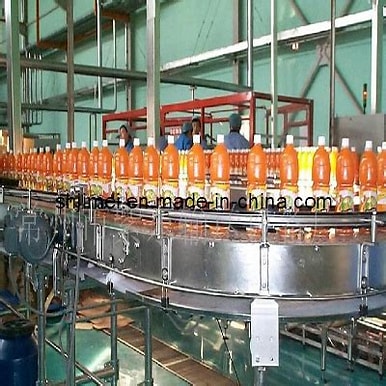
Carbonation occurs when carbon dioxide gas is injected into the beverage under pressure using specialized carbonation equipment. The carbonated beverage is subsequently transferred into filling systems where bottles or cans are automatically rinsed, filled, sealed, and labeled under hygienic production conditions.
Following packaging, finished products undergo quality inspection and are packed into cartons or crates before being transferred into warehouses for storage and distribution. Strict quality control procedures are maintained throughout the entire manufacturing process to ensure compliance with food safety regulations, product consistency standards, and consumer expectations.
Carbonated soft drink manufacturing requires substantial investment in specialized industrial machinery and beverage processing equipment. Key production systems include water treatment plants, syrup preparation tanks, carbonation units, mixing systems, storage tanks, automated bottling lines, canning systems, filling machines, capping equipment, labeling machines, shrink wrapping systems, conveyors, boilers, refrigeration systems, generators, air compressors, and laboratory testing equipment.
The level of automation depends on the scale of production and the intended market size. Small-scale beverage plants may utilize semi-automated bottling systems, while large industrial beverage manufacturers operate highly sophisticated automated production lines capable of producing tens of thousands of bottles per hour.
Power supply infrastructure is particularly important because beverage manufacturing operations depend heavily on continuous electricity for refrigeration, pumping systems, automated filling lines, air compressors, and quality control systems. Due to instability in public electricity supply, most beverage manufacturers invest heavily in backup generators and alternative energy systems.
The location of a carbonated soft drink production plant significantly influences production efficiency, logistics costs, market access, and overall profitability. Ideal production locations should provide reliable access to clean water sources, transportation infrastructure, electricity supply, labor availability, packaging suppliers, and large consumer markets.
Industrial and commercial states such as Lagos, Ogun, Rivers, Kano, Anambra, and the Federal Capital Territory possess significant advantages due to their developed infrastructure, strong logistics networks, industrial clusters, and proximity to major urban consumption centers. Proximity to highways, ports, and regional distribution corridors helps reduce transportation costs and improves delivery efficiency.
Access to industrial gas suppliers, maintenance services, packaging manufacturers, and skilled technical manpower also contributes significantly to operational stability and production efficiency.
Carbonated soft drink production in Nigeria is subject to extensive regulation due to its role within the food and beverage industry. Investors must register the business with the Corporate Affairs Commission and obtain operational approvals from relevant regulatory agencies before commencing production.
The National Agency for Food and Drug Administration and Control regulates product registration, food safety standards, ingredient approval, labeling requirements, and manufacturing practices. The Standards Organisation of Nigeria establishes industrial quality standards and certification requirements for beverage manufacturing operations.
Environmental permits are also required because beverage production generates wastewater and industrial waste materials. Manufacturers must comply with environmental regulations relating to waste disposal, water treatment, emissions control, and workplace safety. Tax compliance, labor regulations, and occupational health standards must also be strictly observed.
Product labeling requirements include ingredient disclosure, nutritional information, manufacturing dates, expiry dates, and batch identification codes in accordance with Nigerian food safety regulations.
Carbonated soft drink manufacturing generates wastewater, plastic waste, packaging waste, and industrial emissions that require effective environmental management systems. Wastewater generated during bottle washing, equipment cleaning, and production operations must undergo proper treatment before discharge into the environment.
Plastic waste management has become increasingly important due to growing concerns regarding environmental pollution caused by PET bottle disposal. Modern beverage manufacturers are therefore investing in recycling initiatives, sustainable packaging technologies, water conservation systems, and energy-efficient production systems to reduce environmental impact and improve sustainability performance.
Environmental sustainability is increasingly becoming an important competitive factor as consumers, regulators, and investors place greater emphasis on responsible manufacturing practices and corporate environmental responsibility.
Carbonated soft drink production requires a combination of technical, operational, administrative, and marketing personnel. Technical staff include production managers, beverage technologists, laboratory analysts, machine operators, quality control officers, maintenance engineers, and water treatment specialists.
Administrative personnel include accountants, procurement officers, warehouse supervisors, human resource managers, and compliance officers. Because the beverage market is highly competitive, companies also require extensive sales and marketing teams responsible for distributor management, market expansion, retail penetration, promotional activities, and brand development.
Employee training and technical development are essential because beverage production involves sophisticated automated systems, strict hygiene procedures, continuous quality monitoring, and advanced production technologies.
Carbonated soft drink production is a highly capital-intensive manufacturing business requiring substantial investment in land acquisition, factory construction, industrial machinery, utilities infrastructure, packaging systems, distribution vehicles, and working capital. The total investment required depends on production capacity, level of automation, packaging formats, and the target market size.
Major operating expenses include sugar, packaging materials, electricity, fuel, labor, transportation, maintenance, water treatment chemicals, marketing, and logistics operations. Packaging materials constitute one of the largest components of production costs due to the extensive use of PET bottles, aluminum cans, labels, bottle caps, cartons, and shrink wrapping materials.
Revenue generation depends largely on production volume, pricing strategy, market penetration, brand acceptance, and distribution efficiency. Beverage manufacturing can generate substantial profit margins when economies of scale are achieved and efficient production and logistics systems are maintained.
The profitability of the business also depends heavily on effective brand positioning, consistent product quality, strong distributor relationships, and aggressive market penetration strategies.
The carbonated soft drink industry in Nigeria faces several operational and financial risks. Exchange rate volatility significantly affects the cost of imported machinery, packaging materials, flavor concentrates, and industrial inputs. Inflation and rising energy costs also increase production expenses and reduce consumer purchasing power.
Competition within the industry is extremely intense because major multinational beverage companies possess strong financial resources, established brands, and extensive distribution systems. Smaller or emerging manufacturers may therefore face challenges related to market penetration, pricing pressure, and retail shelf visibility.
Health concerns regarding excessive sugar consumption may also influence future consumer preferences and regulatory policies. Increasing awareness of obesity, diabetes, and nutrition-related health issues may gradually shift demand toward healthier beverage alternatives.
Additional risks include transportation bottlenecks, unreliable power supply, counterfeit products, regulatory changes, environmental compliance requirements, and fluctuations in raw material prices.
Despite existing challenges, the Nigerian carbonated soft drink industry continues to present significant investment opportunities due to the country’s growing population, expanding urbanization, rising consumer demand for convenience beverages, and continuous expansion of retail distribution systems.
Strong opportunities exist in flavored soft drinks, reduced-sugar beverages, sugar-free products, sparkling water, energy drinks, premium beverages, and locally inspired beverage formulations. Increasing demand for affordable packaging formats also creates opportunities for smaller bottle sizes and low-cost beverage products targeting lower-income consumers.
Regional export opportunities also exist within West Africa due to trade integration and growing demand for Nigerian consumer brands across neighboring countries. Beverage manufacturers may further diversify into bottled water, fruit juices, sports drinks, dairy beverages, and functional health drinks to reduce dependence on traditional carbonated beverages.
Future industry competitiveness will increasingly depend on technological modernization, sustainable packaging, local sourcing strategies, efficient energy management, product innovation, and strong nationwide distribution systems.
Carbonated soft drink production in Nigeria is technically feasible and commercially attractive due to the country’s large population, strong beverage consumption culture, expanding urbanization, and growing retail infrastructure. The industry remains one of the most important sectors within Nigeria’s fast-moving consumer goods market and continues to attract substantial local and international investment.
Although the industry faces challenges arising from inflation, exchange rate instability, energy costs, competition, environmental concerns, and changing consumer health preferences, significant profitability remains achievable through efficient production systems, strong branding, effective cost management, and extensive distribution networks.
The long-term future of the industry will likely be shaped by healthier beverage alternatives, sustainable manufacturing practices, innovative packaging technologies, local raw material development, and regional market expansion. Investors capable of establishing modern production facilities, strong brands, and reliable nationwide distribution systems can achieve substantial long-term returns within Nigeria’s expanding beverage industry.
Table of Contents
EXECUTIVE SUMMARY 1.0 Business Overview 1.1 Description of the Business 1.2 Vision and Mission Statement 1.3 Business Objective 1.4 Value Proposition 1.5 Critical Success Factor of the Business 1.6 Current Status of Business 1.7 Description of the Business Industry 1.8 Contribution to Local and National Economy 2. Marketing Plan 2.1 Description of the Products 2.2 Product Packaging and Delivery 2.3 The Opportunity 2.4 Pricing Strategy 2.5 Target Market 2.6 Distribution and Delivery Strategy 2.7 Promotional Strategy 2.8 Competition 3. Production Plan 3.1 Description of the Location 3.2 Raw Materials 3.3 Production Facilities and Equipment 3.4 Production Process 3.5 Production Cost 3.6 Stock Control Process 3.7 Pre-Operating Activities and Expenses 3.7.1 Operating Activities and Expenses 3.8 Project Implementation Schedule 4.0 Organizational and Management Plan 4.1 Ownership of the Business 4.2 Profile of the Promoters 4.3 Key Management Staff 4.3.2 Management Support Units 4.4 Details of Salary Schedule 5. Financial Plan 5.1 Financial Assumption 5.2 Start-Up Capital Estimation 5.3 Source of Capital 5.4 Security of Loan 5.5 Loan Repayment Plan 5.6 Profit and Loss Statement 5.7 Cash flow Statement 5.8 Viability Analysis 6.0 Business Risks, Mitigation Strategies and SWOT Analysis 6.1 Business Risks and Mitigation Strategies 6.2 SWOT Analysis
Project Specification:
Additional Info
Get this Report
Direct bank transfer
To order the report, Please do pay the sum of ₦1,850,000 into
Account Name : Foraminifera Market Research Ltd
Account Number : 274 20 569 37
Account Name : Foraminifera Market Research Ltd
Account Number : 101 76 603 95
Account Name : Foraminifera Ventures
Account Number : 011 66 066 32
Make your payment directly into our bank account. Please use your Order ID as the payment reference. Your order will not be shipped until the funds have cleared in our account.
Instructions
After payment call us on 01 -29 52 413 / 08033782777 or email us at foraminiferamarketresearch@yahoo.com with the payment details. After payment confirmation, the soft copy of the report would be sent to you within 24 hours.