
Business Plan on Beer Production in Nigeria
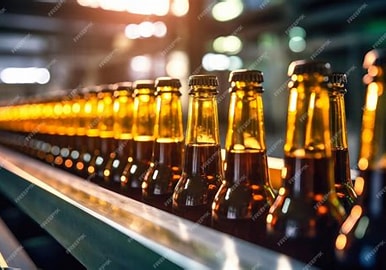
The beer production business in Nigeria represents one of the most commercially attractive opportunities within the country’s food and beverage manufacturing industry. Nigeria is among the largest beer-consuming nations in Africa, supported by a rapidly growing population, a strong social drinking culture, expanding urbanization, increasing hospitality activities, and rising demand for alcoholic beverages across multiple consumer segments. Beer consumption remains deeply integrated into Nigerian entertainment culture, ceremonies, nightlife activities, sports viewing, hospitality services, and social gatherings, making the industry highly resilient despite economic fluctuations.
This business plan outlines the establishment of a modern beer production company designed to produce high-quality lager beer and related alcoholic beverages for the Nigerian market. The proposed business will focus on manufacturing affordable and premium beer products targeted at distributors, wholesalers, bars, restaurants, hotels, supermarkets, event centers, and retail consumers across major Nigerian cities and regional markets.
The proposed brewery will utilize modern brewing technology, efficient production systems, strong branding strategies, and extensive distribution networks to establish a competitive presence within the Nigerian beverage industry. The business aims to capitalize on the increasing demand for locally manufactured beverages, the growing popularity of premium and flavored beer products, and opportunities for regional market expansion within West Africa.
The brewery will initially commence operations with a moderate production capacity while positioning itself for future expansion into additional product categories such as flavored beer, non-alcoholic beer, stout beer, and specialty craft beer products. The project is expected to generate substantial revenue, create employment opportunities, contribute to industrial development, and achieve strong profitability through effective cost management and efficient market penetration.
The proposed business involves the establishment of a beer production and bottling company in Nigeria focused on producing high-quality carbonated alcoholic beverages for mass-market and premium consumers. The brewery will manufacture beer using carefully selected raw materials such as malted barley, sorghum, maize, hops, yeast, purified water, and flavoring ingredients under hygienic and internationally accepted brewing standards.
The business will operate as a fully integrated brewing and packaging facility equipped with brewing systems, fermentation tanks, bottling lines, quality control laboratories, refrigeration systems, and warehousing infrastructure. The company’s operations will include brewing, fermentation, bottling, packaging, storage, marketing, and nationwide distribution.
The company’s mission is to produce affordable, refreshing, and high-quality beer products capable of competing effectively within Nigeria’s highly competitive beverage industry. The vision of the business is to become one of the leading indigenous beer manufacturers in Nigeria through product quality, innovation, operational efficiency, strong branding, and extensive market penetration.
The business will generate revenue primarily from beer sales distributed through wholesalers, distributors, retail outlets, hospitality businesses, bars, lounges, restaurants, supermarkets, and direct supply agreements. Additional revenue opportunities may emerge from contract brewing, export sales, event sponsorships, and branded retail operations.
The Nigerian beer industry is one of the largest beverage sectors in Africa and continues to attract substantial local and foreign investment. The industry is dominated by major brewing companies such as Nigerian Breweries Plc, International Breweries Plc, Guinness Nigeria Plc, and Champion Breweries Plc, all of which operate large-scale production facilities and extensive distribution networks across the country.
Beer remains one of the most consumed alcoholic beverages in Nigeria due to its affordability, accessibility, and cultural acceptance. Consumption is particularly strong in urban centers such as Lagos, Abuja, Port Harcourt, Enugu, Aba, Onitsha, Kano, and Benin City where nightlife activities, hospitality services, and commercial entertainment industries are highly developed.
The market is highly competitive and characterized by aggressive branding, celebrity endorsements, music sponsorships, sports partnerships, distributor incentives, and promotional campaigns. Consumer preferences vary according to price, alcohol content, taste profile, packaging size, and brand image. While lager beer dominates the market, there is growing demand for premium beer, flavored beer, stout beer, and craft beer products among younger and middle-income consumers.
Industry growth is supported by Nigeria’s large youthful population, increasing urbanization, expansion of retail infrastructure, rising entertainment activities, and growing hospitality investments. Although inflation and economic pressures may affect purchasing power, beer consumption remains relatively resilient because alcoholic beverages continue to play a significant role in Nigerian social life.
The target market for the proposed brewery includes wholesalers, distributors, supermarkets, bars, restaurants, hotels, lounges, event centers, beer parlours, clubs, retail shops, and individual consumers. The company will initially focus on penetrating urban markets with high beer consumption levels before expanding into regional and rural distribution channels.
Consumer demand for beer products in Nigeria remains strong due to population growth, rising urban migration, nightlife culture, sports entertainment, music events, ceremonies, and hospitality sector expansion. Beer products are consumed across all major social gatherings including weddings, parties, festivals, business meetings, and recreational activities.
The Nigerian beer market can be segmented into economy beer consumers, mainstream beer consumers, premium beer consumers, and specialty beer consumers. Economy consumers prioritize affordability, while premium consumers emphasize quality, packaging, taste, and brand image. The proposed business will position itself strategically between affordability and premium quality to attract a broad customer base.
The business will compete through product quality, competitive pricing, attractive packaging, efficient distribution, strong branding, and aggressive marketing campaigns. Establishing reliable distributor relationships and ensuring consistent product availability will be critical to market penetration and long-term success.
The brewery will initially produce lager beer as its flagship product due to the dominance of lager beer within the Nigerian market. The beer will be manufactured in multiple packaging formats including glass bottles, aluminum cans, and kegs to serve different customer categories and consumption environments.
Future product diversification may include premium beer, flavored beer, stout beer, low-alcohol beer, non-alcoholic beer, and specialty craft beer products targeted at niche consumer segments. The company may also explore customized products for hospitality chains, event sponsorships, and regional export markets.
The business will provide additional services including distributor support, promotional partnerships, event sponsorships, branded refrigeration systems, and merchandising support for retail outlets and hospitality businesses.
The production process will involve raw material handling, malting, milling, mashing, wort boiling, fermentation, conditioning, filtration, carbonation, bottling, packaging, and warehousing. Production operations will be carried out under strict hygiene standards and quality control procedures to ensure consistency and compliance with regulatory requirements.
Water treatment systems will be installed to ensure high-quality purified water for brewing operations. The brewery will utilize modern fermentation technology and automated bottling systems to achieve efficiency, consistency, and scalability.
Production capacity will be designed to meet current market demand while allowing room for future expansion. Efficient inventory management systems will be implemented to ensure continuous availability of raw materials, packaging materials, and finished products.
Quality control laboratories will monitor all stages of production including water treatment, fermentation, carbonation, alcohol content, microbiological safety, and packaging integrity. Maintaining consistent product quality will be essential for brand reputation and customer retention.
The major raw materials required for production include malted barley, sorghum, maize, hops, yeast, sugar, purified water, carbon dioxide gas, bottles, cans, labels, and packaging materials. Wherever possible, locally sourced raw materials will be utilized to reduce foreign exchange exposure and production costs.
Supplier relationships will be established with agricultural producers, industrial gas suppliers, packaging manufacturers, chemical suppliers, and logistics providers to ensure uninterrupted production operations. Strategic sourcing agreements and inventory planning will help minimize supply chain disruptions and raw material price volatility.
Packaging materials such as bottles, labels, bottle caps, cartons, and plastic crates will be sourced from reputable local and international suppliers to maintain product presentation standards and operational efficiency.
The brewery will be strategically located within an industrial zone with access to reliable transportation infrastructure, electricity supply, clean water sources, labor markets, and major consumer markets. States such as Lagos, Ogun, Rivers, Anambra, or Enugu offer strong advantages due to their industrial infrastructure, logistics connectivity, and commercial activities.
The production facility will consist of brewing halls, fermentation rooms, bottling sections, warehouses, laboratories, administrative offices, staff facilities, loading bays, utility systems, and distribution areas. Adequate space will also be reserved for future expansion of production capacity and product lines.
The facility will incorporate industrial safety systems, wastewater treatment infrastructure, fire protection systems, and environmental management systems to ensure operational safety and regulatory compliance.
The marketing strategy will focus on strong brand positioning, product visibility, distributor engagement, and aggressive promotional activities. The company will develop a recognizable brand identity emphasizing product quality, affordability, refreshment, and Nigerian consumer appeal.
Marketing activities will include radio advertising, television campaigns, social media promotions, event sponsorships, music partnerships, sports sponsorships, outdoor advertising, and influencer marketing. Product sampling campaigns and retail activation programs will also be implemented to increase brand awareness and encourage product trial.
Distribution networks will be developed through partnerships with wholesalers, distributors, supermarkets, hospitality businesses, bars, restaurants, and retail outlets. Incentive programs will be introduced for distributors and retailers to encourage market penetration and product visibility.
The company will prioritize efficient logistics and cold-chain systems to ensure product freshness and availability across all target markets.
The business will operate under a structured management system consisting of executive management, production management, finance and administration, sales and marketing, logistics, procurement, quality control, and human resource departments.
The management team will include experienced professionals with expertise in brewing operations, beverage marketing, industrial production, finance, logistics, and regulatory compliance. Technical staff will include brew masters, engineers, laboratory analysts, machine operators, and maintenance personnel responsible for ensuring efficient production operations.
Sales and marketing teams will focus on distributor relationships, retail expansion, market intelligence, promotional campaigns, and customer retention. Continuous employee training and technical development programs will be implemented to improve operational performance and productivity.
The brewery will comply fully with all Nigerian regulatory requirements governing food and beverage manufacturing. Business registration will be completed through the Corporate Affairs Commission, while operational approvals will be obtained from relevant regulatory agencies.
The National Agency for Food and Drug Administration and Control will regulate product registration, labeling, and food safety compliance. The Standards Organisation of Nigeria will oversee industrial standards and certification requirements. Environmental approvals will be obtained to address wastewater treatment, waste disposal, and emissions management.
The company will also comply with tax regulations, excise duties, labor laws, occupational safety standards, and environmental management requirements applicable to brewery operations in Nigeria.
The establishment of a beer production plant requires substantial capital investment in land acquisition, factory construction, brewing equipment, bottling lines, utilities infrastructure, vehicles, and working capital. Major startup expenses will include machinery procurement, installation, raw material sourcing, packaging systems, marketing, staffing, regulatory approvals, and distribution setup.
Revenue will be generated primarily through wholesale and retail beer sales. Additional revenue streams may emerge through export sales, branded merchandise, contract brewing services, and event sponsorship partnerships.
Operational expenses will include raw materials, packaging materials, electricity, fuel, salaries, transportation, maintenance, advertising, taxes, and logistics operations. Profitability will depend heavily on production efficiency, economies of scale, strong distribution systems, and effective cost management.
The business is expected to achieve increasing revenue growth as brand recognition, market penetration, and distribution coverage expand over time. Long-term profitability will be strengthened through product diversification, regional expansion, and operational optimization.
The beer production industry in Nigeria faces several operational and financial risks including inflation, exchange rate volatility, rising energy costs, taxation, intense competition, and regulatory changes. Imported machinery and industrial inputs may become more expensive due to currency depreciation and global supply chain disruptions.
Competition from established multinational breweries represents a significant market challenge because larger competitors possess strong financial resources, extensive distribution systems, and high brand recognition. Counterfeit alcoholic beverages and illicit alcohol production also present reputational and market risks.
Additional operational risks include transportation bottlenecks, inconsistent power supply, supply chain disruptions, security concerns, and fluctuations in raw material prices. Effective risk management strategies including strong supplier relationships, energy diversification, efficient inventory management, and robust quality control systems will be implemented to mitigate operational uncertainties.
The long-term sustainability of the brewery will depend on continuous innovation, operational efficiency, product quality, market responsiveness, and environmental responsibility. The company will invest in energy-efficient production systems, water conservation technologies, recycling initiatives, and sustainable packaging solutions to reduce environmental impact and improve operational efficiency.
Future expansion opportunities include additional production lines, new product categories, regional export markets, brewery tourism, branded retail outlets, and strategic partnerships within the hospitality and entertainment industries. The company will also explore opportunities in non-alcoholic beverages and healthier beverage alternatives as consumer preferences evolve.
Continuous investment in branding, product development, distributor relationships, and technological modernization will strengthen the company’s competitive position and support long-term market growth.
Beer production in Nigeria represents a technically feasible and commercially profitable manufacturing investment opportunity due to the country’s large population, strong beer consumption culture, expanding urbanization, and vibrant hospitality industry. Despite challenges arising from inflation, competition, energy costs, and regulatory pressures, the industry continues to offer substantial long-term growth potential.
The proposed brewery is positioned to capitalize on increasing consumer demand for quality beer products through efficient production systems, strong branding, effective distribution networks, and strategic market penetration. By maintaining high production standards, competitive pricing, operational efficiency, and strong customer relationships, the business can achieve sustainable profitability and long-term success within Nigeria’s expanding beverage industry.
Table of Contents
EXECUTIVE SUMMARY 1.0 Business Overview 1.1 Description of the Business 1.2 Vision and Mission Statement 1.3 Business Objective 1.4 Value Proposition 1.5 Critical Success Factor of the Business 1.6 Current Status of Business 1.7 Description of the Business Industry 1.8 Contribution to Local and National Economy 2. Marketing Plan 2.1 Description of the Products 2.2 Product Packaging and Delivery 2.3 The Opportunity 2.4 Pricing Strategy 2.5 Target Market 2.6 Distribution and Delivery Strategy 2.7 Promotional Strategy 2.8 Competition 3. Production Plan 3.1 Description of the Location 3.2 Raw Materials 3.3 Production Facilities and Equipment 3.4 Production Process 3.5 Production Cost 3.6 Stock Control Process 3.7 Pre-Operating Activities and Expenses 3.7.1 Operating Activities and Expenses 3.8 Project Implementation Schedule 4.0 Organizational and Management Plan 4.1 Ownership of the Business 4.2 Profile of the Promoters 4.3 Key Management Staff 4.3.2 Management Support Units 4.4 Details of Salary Schedule 5. Financial Plan 5.1 Financial Assumption 5.2 Start-Up Capital Estimation 5.3 Source of Capital 5.4 Security of Loan 5.5 Loan Repayment Plan 5.6 Profit and Loss Statement 5.7 Cash flow Statement 5.8 Viability Analysis 6.0 Business Risks, Mitigation Strategies and SWOT Analysis 6.1 Business Risks and Mitigation Strategies 6.2 SWOT Analysis
Project Specification:
Additional Info
Get this Report
Direct bank transfer
To order the report, Please do pay the sum of ₦4,850,000 into
Account Name : Foraminifera Market Research Ltd
Account Number : 274 20 569 37
Account Name : Foraminifera Market Research Ltd
Account Number : 101 76 603 95
Account Name : Foraminifera Ventures
Account Number : 011 66 066 32
Make your payment directly into our bank account. Please use your Order ID as the payment reference. Your order will not be shipped until the funds have cleared in our account.
Instructions
After payment call us on 01 -29 52 413 / 08033782777 or email us at foraminiferamarketresearch@yahoo.com with the payment details. After payment confirmation, the soft copy of the report would be sent to you within 24 hours.