Business Plan on Activated Carbon Production in Nigeria
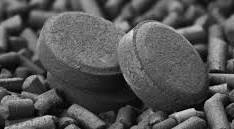
Activated carbon production in Nigeria presents a highly profitable industrial and export-oriented investment opportunity due to rising global demand for water purification, air filtration, wastewater treatment, food processing, gold recovery, pharmaceutical production, and environmental remediation products. Activated carbon is a high-value adsorbent material used extensively across industries for removing impurities, odors, chemicals, heavy metals, and contaminants from liquids and gases.
The global activated carbon market was valued at over USD 6.5 billion in 2024 and is projected to exceed USD 12 billion by 2032, growing at a CAGR of over 8%. Demand growth is being driven by stricter environmental regulations, rising industrialization, expansion of municipal water treatment projects, increasing mining activities, and growing adoption of air purification systems worldwide. Asia-Pacific currently accounts for the largest share of global consumption, while Africa is emerging as a fast-growing market due to increasing investments in water infrastructure and industrial processing.
Nigeria offers strong competitive advantages for activated carbon production because of its abundant availability of low-cost raw materials such as palm kernel shell (PKS), coconut shell, sawdust, bamboo, and wood charcoal. Nigeria is one of the world’s largest producers of palm oil, generating millions of tonnes of palm kernel shells annually as agricultural waste. Large quantities of coconut shell are also produced across the southern and coastal regions of the country. These raw materials possess high carbon content, low ash properties, and excellent hardness characteristics, making them ideal feedstocks for premium activated carbon production.
The Nigerian activated carbon market remains largely import-dependent despite rising demand from water treatment companies, breweries, beverage manufacturers, pharmaceutical firms, oil and gas companies, mining operations, and food processing industries. Nigeria imports significant quantities of activated carbon annually from countries such as China, India, and Indonesia, creating substantial opportunities for local production and import substitution.
Activated carbon produced from palm kernel shell and coconut shell commands higher international market prices because of its superior adsorption capacity and durability compared to coal-based activated carbon. International prices for premium coconut shell activated carbon range from USD 1,200 to over USD 3,500 per metric tonne depending on grade, iodine value, hardness, and application.
The production process involves raw material drying, carbonization, activation, cooling, grinding, screening, and packaging. Major machinery required includes carbonization furnaces, rotary kilns, activation reactors, dryers, crushers, grinding machines, screening systems, dust collectors, and packaging equipment. The industry is moderately capital intensive but benefits from relatively low raw material costs due to the abundance of agricultural waste feedstocks.
Key domestic demand sectors include municipal water treatment, industrial wastewater treatment, breweries, soft drink manufacturers, edible oil refining companies, pharmaceutical manufacturers, chemical industries, and gold mining operators. Export opportunities also exist within West Africa, Europe, the Middle East, and Asia where demand for biomass-based activated carbon continues to grow rapidly.
States such as Akwa Ibom, Cross River, Rivers, Delta, Edo, Ondo, Imo, and Lagos possess strong advantages for plant location due to their proximity to palm oil processing clusters, coconut-producing regions, industrial infrastructure, seaports, and export logistics facilities.
The industry also offers strong environmental benefits through the conversion of agricultural waste into high-value industrial products. Utilizing palm kernel shells and coconut shells for activated carbon production supports waste reduction, sustainable manufacturing, and circular economy development.
Although the industry faces challenges such as energy costs, infrastructure limitations, exchange rate volatility, and quality control requirements, activated carbon production in Nigeria remains technically feasible, commercially viable, and highly profitable, particularly for companies capable of achieving international quality standards and export competitiveness. Growing global demand for sustainable filtration materials, combined with Nigeria’s abundant raw material base and strategic market location, positions the country as a potential regional hub for activated carbon production and export.
Table of Contents
EXECUTIVE SUMMARY 1.0 Business Overview 1.1 Description of the Business 1.2 Vision and Mission Statement 1.3 Business Objective 1.4 Value Proposition 1.5 Critical Success Factor of the Business 1.6 Current Status of Business 1.7 Description of the Business Industry 1.8 Contribution to Local and National Economy 2. Marketing Plan 2.1 Description of the Products 2.2 Product Packaging and Delivery 2.3 The Opportunity 2.4 Pricing Strategy 2.5 Target Market 2.6 Distribution and Delivery Strategy 2.7 Promotional Strategy 2.8 Competition 3. Production Plan 3.1 Description of the Location 3.2 Raw Materials 3.3 Production Facilities and Equipment 3.4 Production Process 3.5 Production Cost 3.6 Stock Control Process 3.7 Pre-Operating Activities and Expenses 3.7.1 Operating Activities and Expenses 3.8 Project Implementation Schedule 4.0 Organizational and Management Plan 4.1 Ownership of the Business 4.2 Profile of the Promoters 4.3 Key Management Staff 4.3.2 Management Support Units 4.4 Details of Salary Schedule 5. Financial Plan 5.1 Financial Assumption 5.2 Start-Up Capital Estimation 5.3 Source of Capital 5.4 Security of Loan 5.5 Loan Repayment Plan 5.6 Profit and Loss Statement 5.7 Cash flow Statement 5.8 Viability Analysis 6.0 Business Risks, Mitigation Strategies and SWOT Analysis 6.1 Business Risks and Mitigation Strategies 6.2 SWOT Analysis
Project Specification:
Additional Info
Get this Report
Direct bank transfer
To order the report, Please do pay the sum of ₦500,000 into
Account Name : Foraminifera Market Research Ltd
Account Number : 274 20 569 37
Account Name : Foraminifera Market Research Ltd
Account Number : 101 76 603 95
Account Name : Foraminifera Ventures
Account Number : 011 66 066 32
Make your payment directly into our bank account. Please use your Order ID as the payment reference. Your order will not be shipped until the funds have cleared in our account.
Instructions
After payment call us on 01 -29 52 413 / 08033782777 or email us at foraminiferamarketresearch@yahoo.com with the payment details. After payment confirmation, the soft copy of the report would be sent to you within 24 hours.